
MICHIGAN · MI
Barndominium Cost Per Sqft in Michigan
A realistic 2026 planning range runs $115 to $350+ per square foot, with $150–$250 a useful mid-range target for a finished home — before land and frost-depth-driven site costs.
Guide last reviewed and updated August 2026 using publicly available Michigan building-code, well/septic, and USDA lending resources. Figures are planning estimates, not contractor quotes.
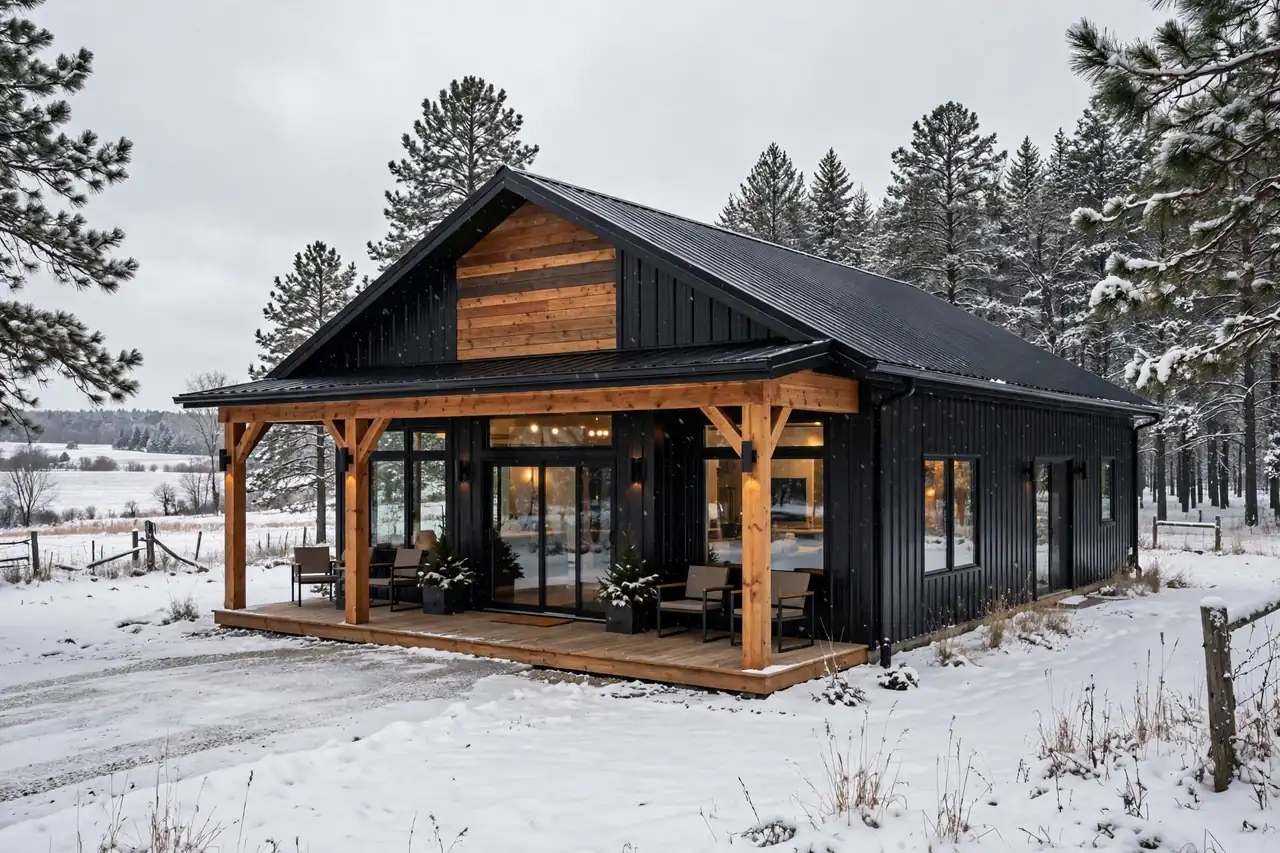
The most important thing to understand is that a shell price and the cost of a finished residence are two completely different numbers. A structural package may cover the frame and exterior while leaving the foundation, insulation, electrical, plumbing, HVAC, drywall, kitchen, bathrooms and other interior work for later.
Barndominium Cost Per Sqft in Michigan at a Glance
| Build Level | Planning Range | Typical Project |
|---|---|---|
| Basic finished | $115–$150 | Simple layout, economical finishes |
| Mid-range finished | $150–$220 | Standard-to-upgraded materials |
| Premium / custom | $220–$350+ | Higher-end finishes, complex design |
These bands are for planning purposes — Michigan’s frost depth, snow load, and rural utility requirements can push a shell-only quote well below a real finished number.
Michigan Cost by Region
Michigan is not one uniform construction market — labor, land, site conditions, utility access and local regulations vary significantly by region.
Southeast Michigan
Detroit metro and surrounding communities — established infrastructure, but higher labor and land demand.
West Michigan
Grand Rapids area — mix of established communities and rural properties; check well/septic on rural parcels.
Northern Lower Peninsula
Larger rural parcels, but remote sites can add access, utility, and winter-condition costs.
Upper Peninsula
Snow, winter access, and rural infrastructure are especially important cost factors here.
Central Michigan
Agricultural, rural and small-town mix — feasibility depends heavily on township zoning.
What’s Included — and What Isn’t
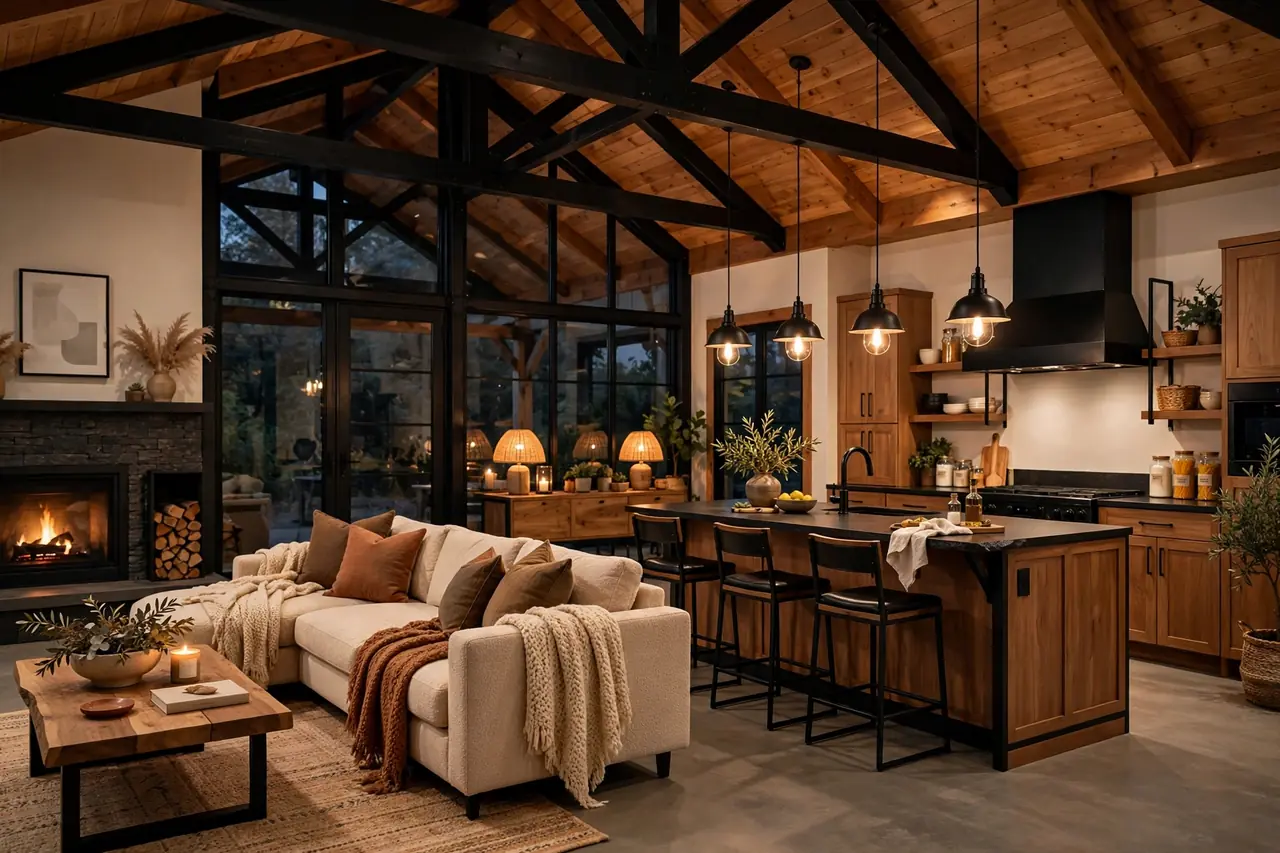
Never compare a shell-only price against a turnkey price and assume one builder is dramatically cheaper.
- Structural frame, roof & foundation
- Exterior siding, windows & doors
- Insulation, drywall, interior framing
- Electrical, plumbing, heating & cooling
- Kitchen, bathrooms, flooring
- Interior doors, paint & trim
- Land, clearing & excavation
- Driveway
- Well & septic
- Utility connections
- Engineering, surveying, permit fees
- Appliances, decks, landscaping
Frost Depth & Snow Load
Frost-protected foundations
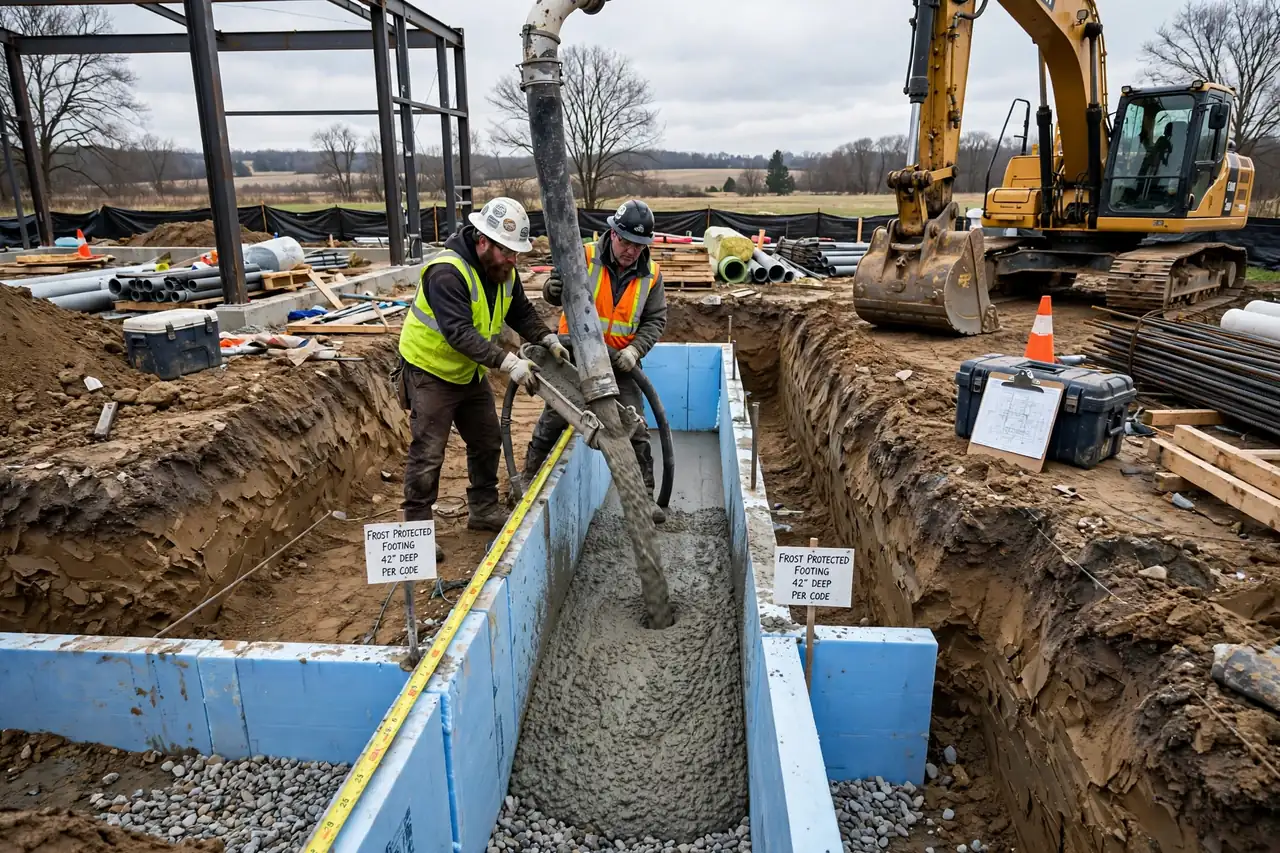
Michigan’s building-code amendment includes a 42-inch minimum foundation depth below finished grade for frost protection, subject to applicable code provisions and exceptions. The foundation cannot be designed around a shallow-slab assumption from a warmer climate.
Snow-load structural design
Snow loads are a structural-design issue, not an architectural preference. Roof framing, trusses, structural connections, and roof geometry all need to match the applicable design requirements for the building’s actual location.
Winter envelope & heating
Wall and roof insulation, air sealing, condensation control, and heating capacity all need to be sized for Michigan’s climate — saving money here creates higher operating costs and comfort problems later.
Well & Septic Requirements
Michigan EGLE regulates private wells under the Water Well Construction and Pump Installation Code, and all Michigan counties require a well permit or notification before drilling.
Well feasibility, septic feasibility, and soil suitability should all be investigated before purchasing rural land, not after.
Which Building Code Applies?
Michigan distinguishes between the Michigan Building Code and the Michigan Residential Code. The LARA code-book page currently lists the 2021 Michigan Building Code (effective April 9, 2025) alongside the 2015 Michigan Residential Code for one- and two-family dwellings — a proposed 2021 residential-code update has been affected by ongoing litigation. Always verify with the enforcing agency before construction.
A building permit application must go to the appropriate enforcing agency — see Michigan LARA Building Permit Information.
Financing a Michigan Barndominium
The USDA Section 502 Guaranteed Loan Program can help eligible borrowers purchase or build a primary residence in an eligible rural area — but the property, borrower, and construction plan all have to qualify.
Shop & Garage Combinations
A 2,000 sqft living area with a 1,500 sqft shop is not economically equivalent to a 3,500 sqft fully finished house — the shop rarely needs the same interior finish, producing a lower blended cost per sqft.
Michigan Barndominium Insurance
Insurance should be investigated before construction, not after, since it adds to your effective barndominium cost per sqft in Michigan for as long as you own the home. Tell the insurer whether the property includes residential living space, an attached shop, a large garage, a home office, farm equipment, or commercial activity — the use of the building affects underwriting.
Snow-load engineering, roof design, and distance from the nearest fire department can all factor into availability and premiums for a rural Michigan property.
Frequently Asked Questions
How much does a barndominium cost per square foot in Michigan?
A broad 2026 planning range is approximately $115–$350+ per square foot. Many finished projects fall around $150–$250 per square foot depending on finish level and site conditions.
How deep do Michigan barndominium foundations need to be?
Michigan’s frost-protection provisions include a 42-inch depth requirement below finished grade, subject to code provisions and exceptions. Confirm the final design with the responsible design professional and enforcing authority.
Do rural Michigan barndominiums need wells and septic systems?
If public water or sewer isn’t available, yes. EGLE regulates well construction (with county permits required), and the Well Construction Code sets a minimum 50-foot separation between a well and septic system.
What building code does Michigan use for residential homes?
The current residential code is the 2015 Michigan Residential Code; a proposed 2021 update has been affected by ongoing litigation. Always verify current requirements before construction.
Can USDA finance a Michigan barndominium?
Potentially, through the Section 502 Guaranteed Loan Program for eligible borrowers in eligible rural areas — eligibility depends on the property, borrower, and construction plan.
What’s the biggest mistake when estimating Michigan barndominium cost?
Treating the advertised shell price as the final cost of a finished residence. Foundation, insulation, mechanical systems, interior construction, and site development can add substantially to the project.
Local Resources
- Michigan LARA — Code Books — the current, official list of adopted building and residential codes.
- Michigan LARA — Building Permit Information — how and where to apply for a permit.
- Michigan EGLE — Water Well Construction — private well rules and registered contractors.
- USDA — Section 502 Guaranteed Loan Program — check property and household eligibility.