
New Mexico · 2026 Cost Guide
Barndominium Cost Per Sq Ft in New Mexico (NM)
A New Mexico-specific 2026 planning guide covering heat and elevation, water rights, domestic wells, septic, monsoon drainage, wildfire and the rural land costs most estimates leave out.
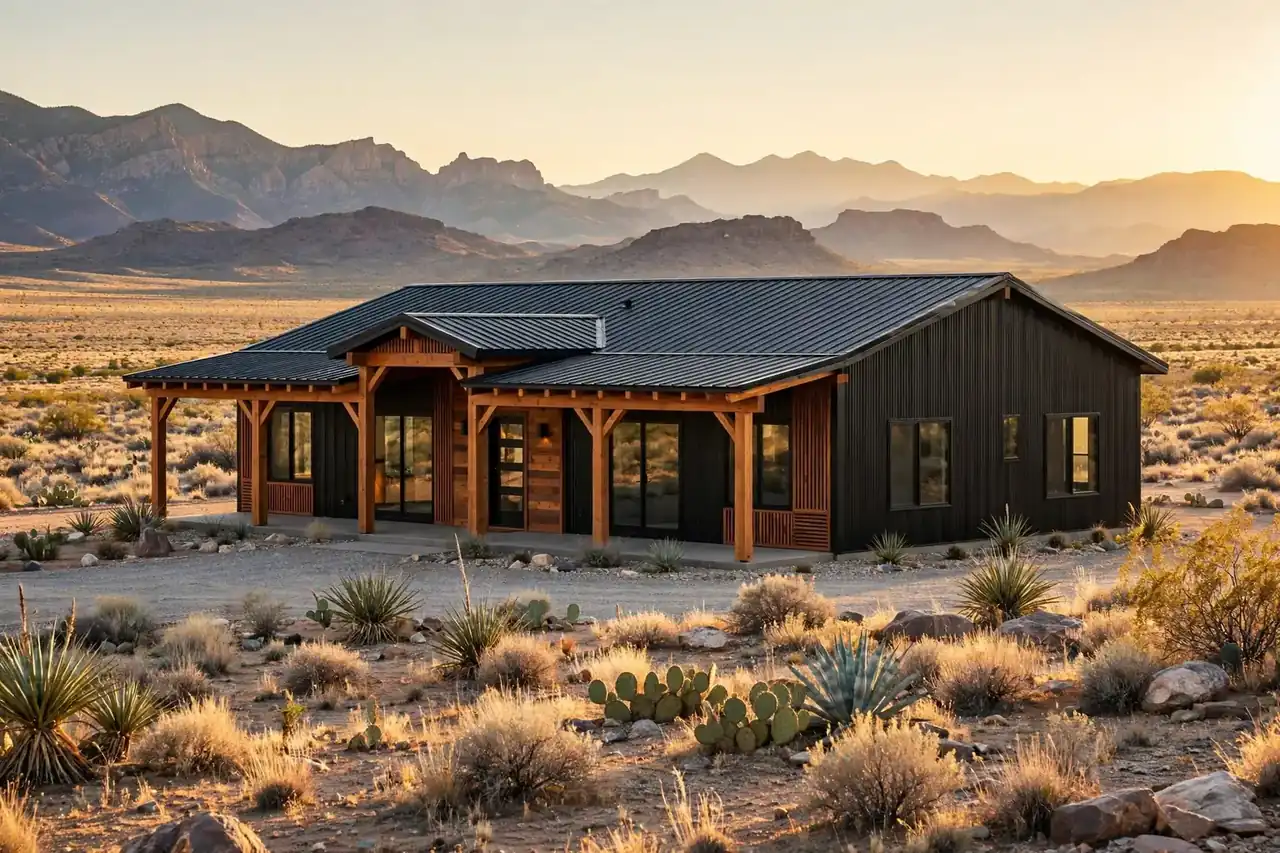
If you are researching New Mexico barndominium cost per sq ft, the biggest mistake is applying a national price to any piece of New Mexico land. A New Mexico barndominium near Albuquerque faces very different conditions from one near Santa Fe, Taos, Las Cruces, Farmington, Roswell or Ruidoso.
The state combines high-desert terrain, intense sun, large day-to-night temperature swings, summer monsoon storms, flash-flood potential, mountain snow, wildfire risk and complicated rural water rules. So the question is not only “How much does the metal building cost?” but also “Can this parcel legally and practically support the home I want to build?” This guide breaks down what a New Mexico barndominium really costs, from shell to finished home to the land work around it.
New Mexico Barndominium Cost Per Sq Ft at a Glance
| Build Type | Planning Range | What It Generally Represents |
|---|---|---|
| Erected shell | $40–$70/sq ft | Structure and exterior only. Not livable yet. |
| Turnkey | $135–$205/sq ft | Finished residence with insulation, HVAC, electrical, plumbing, kitchen, baths and finishes |
Why shell prices look so cheap
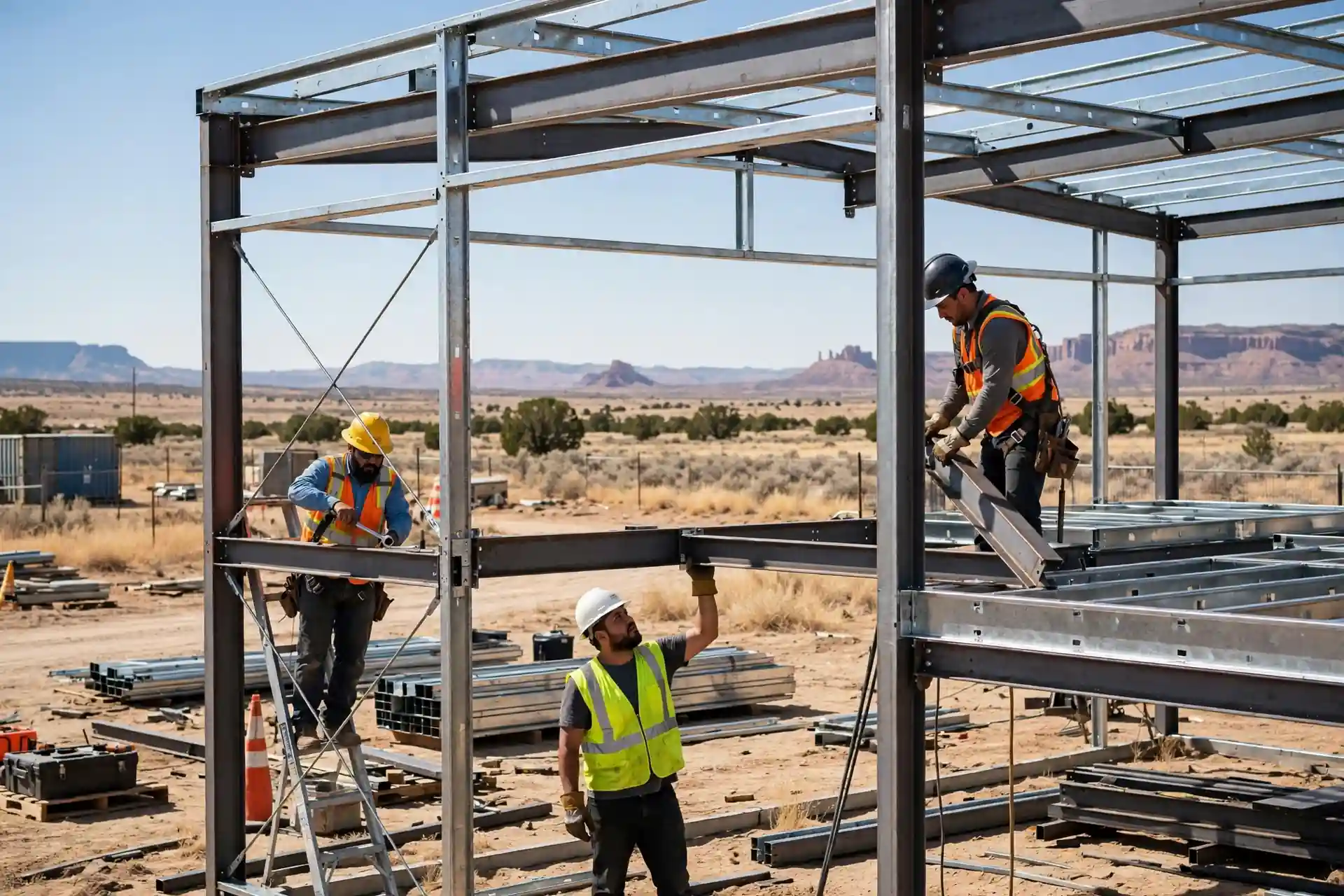
A New Mexico barndominium shell is the structural building and exterior components without the systems needed for occupancy. A finished New Mexico barndominium still needs insulation, HVAC, electrical, plumbing, interior walls, bathrooms, a kitchen, flooring, doors and lighting. When you compare quotes, always ask whether the contractor is pricing a shell, dried-in structure, partially finished building or complete residence. Our Barndominium Cost Calculator can help you see how those scopes change the total.
Why two NM projects can differ so much
Elevation, climate zone, heating and cooling loads, water availability, septic feasibility, road access, distance to electrical service, terrain, wildfire exposure, local building jurisdiction, snow, monsoon drainage and finish level all move a New Mexico barndominium budget. Location is the most important variable.
New Mexico Barndominium Cost by Size
| Size | Turnkey at $135/sq ft | Turnkey at $205/sq ft |
|---|---|---|
| 1,500 sq ft | $202,500 | $307,500 |
| 2,000 sq ft | $270,000 | $410,000 |
| 2,400 sq ft | $324,000 | $492,000 |
| 2,500 sq ft | $337,500 | $512,500 |
| 3,000 sq ft | $405,000 | $615,000 |
A 2,000 sq ft New Mexico barndominium models at roughly $270,000–$410,000 for the building alone. A New Mexico barndominium project on a developed lot can land far from a remote acreage parcel that needs a well, septic system, long driveway and utility extensions.
New Mexico Barndominium Building Codes
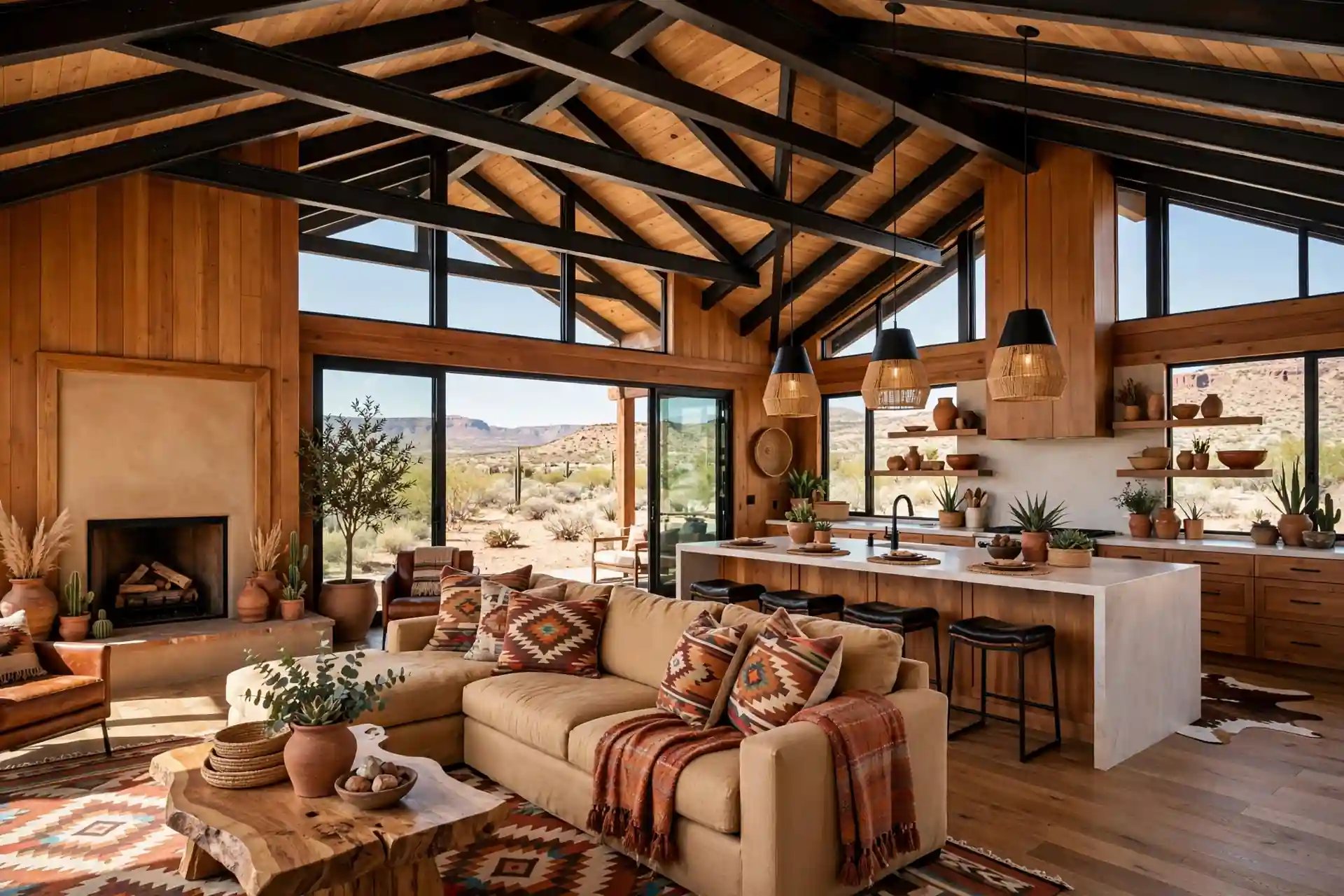
Statewide construction rules for a New Mexico barndominium are administered by the Construction Industries Division (CID) of the New Mexico Regulation and Licensing Department. The residential rule is the 2021 New Mexico Residential Building Code (14.7.3 NMAC), which adopts the 2021 International Residential Code with state amendments. The ICC’s New Mexico page lists the current state adoptions, and the state has also been phasing in newer plumbing and mechanical editions, so the date of your permit application matters. Local jurisdictions can adopt stricter amendments, so always confirm with the building official for your parcel.
Does a steel barndominium have to meet residential code?
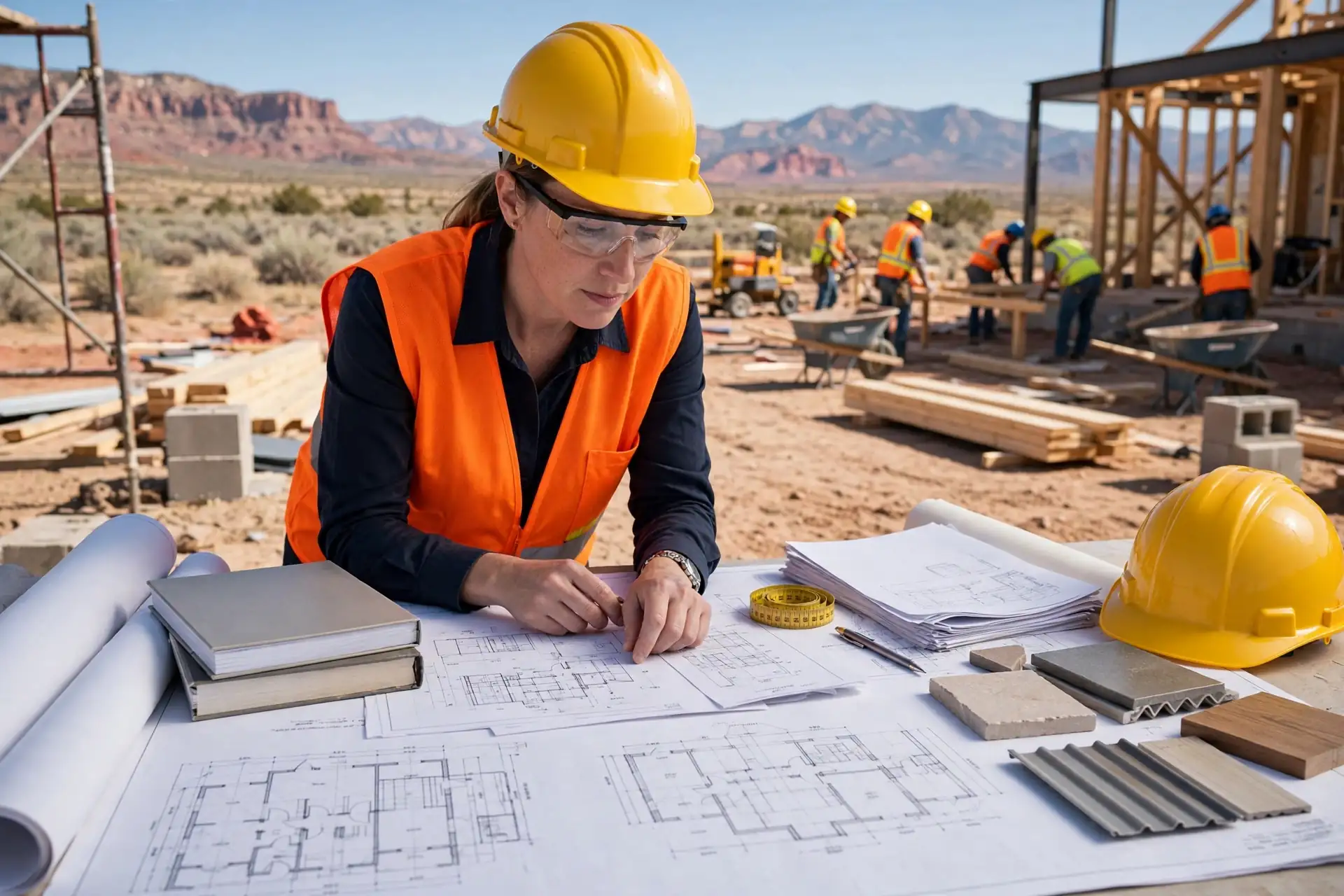
Yes. Calling it a New Mexico barndominium does not turn a dwelling into an exempt agricultural building. The frame can be steel, wood or another approved system, but the completed residence still has to satisfy the code that applies to the project.
Earthen building code
New Mexico also has a dedicated Earthen Building Materials Code (14.7.4 NMAC) for adobe and similar construction. You do not need adobe for a New Mexico barndominium, but it shows that the state’s building culture is not simply a generic national metal-building market.
Energy code and insulation
The residential energy code affects the envelope and mechanical systems, so confirm the edition your jurisdiction enforces with CID or your building official. Insulation and thermal detailing should be designed together with the structure, not added after the shell is up. NM’s dry climate swings hard between hot days and cool nights, and air leakage at penetrations, joints, doors and windows can undo good insulation, which matters in a large metal envelope with many openings.
New Mexico Barndominium Climate: Heat and Elevation
New Mexico is not one climate. The National Weather Service notes that elevation runs from about 3,000 feet in the southeast to over 13,000 feet in the northern mountains.
Southern New Mexico
Las Cruces, Deming and nearby areas have intense summer heat and sun, so roof insulation, window orientation, shading, air sealing and HVAC efficiency drive operating cost.
High-elevation New Mexico
Santa Fe, Taos, Ruidoso and mountain communities have much colder winters. Heating, snow load, frozen pipes and winter access matter more than peak cooling.
Foundations
Frost depth, soil and snow load vary widely, so the local building department and a structural engineer should set the foundation, not a standard barndominium detail from another state. Dry ground is not always easy ground: rock, hard soil and imported fill can raise excavation costs quickly.
Domestic Wells and Water Rights for a New Mexico Barndominium
Water is the biggest difference between building a New Mexico barndominium and building in a state with widespread rural water service. Water is administered by the Office of the State Engineer (OSE), and anyone using water generally needs authorization, subject to statutory exceptions and existing rights.
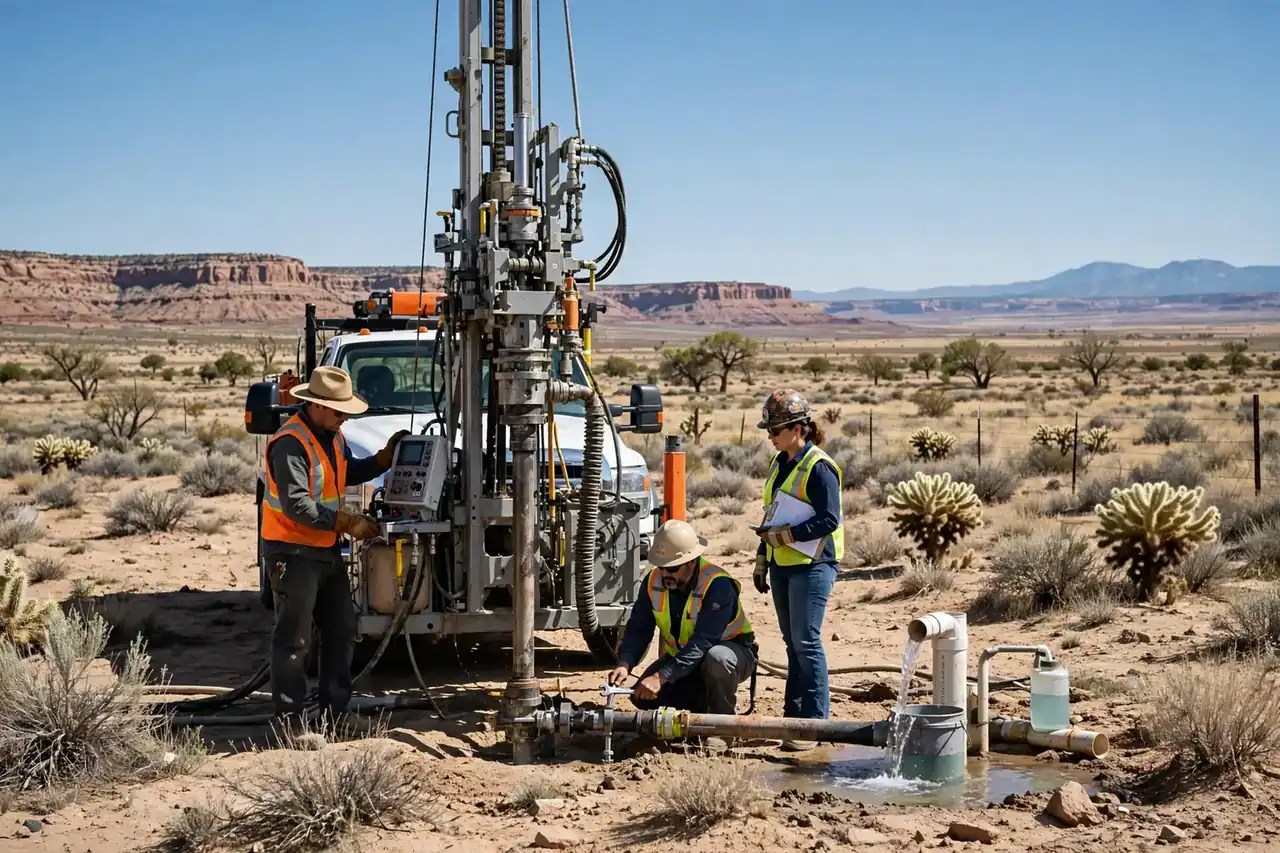
How much water can a domestic well use?
Under the OSE’s domestic well rules (19.27.5 NMAC), a new 72-12-1.1 domestic well for a single household is generally limited to about 1 acre-foot per year, roughly 326,000 gallons. In a declared domestic well management area, a new permit can be limited to 0.25 acre-foot per year or less, and the OSE may require a meter. Shared wells have combined caps, with a 3 acre-foot ceiling for the whole well. Older permits issued before the current rules may carry larger allowances, so check what actually applies to your parcel.
Domestic permits also cannot be used for commercial purposes such as bottling, concrete batching or irrigating crops for sale, so a working ranch or shop business needs separate planning. New domestic wells must also be set back at least 50 feet from an existing well of other ownership unless the OSE grants a variance.
Check the record before you buy
The OSE’s Water Rights Database Lookup (NMWRRS) lets you search by owner name, file number and point-of-diversion location. Use it on the actual parcel rather than relying on the seller’s description.
Shared wells
If the parcel uses a shared well, find out who owns it, how many properties use it, whether a recorded agreement exists, what water rights support it, how maintenance and pump replacement are split, whether more connections are allowed, and how use is metered.
Acequias
Acequias are traditional community irrigation systems that still operate in many rural areas. If a parcel contains or borders one, check for associated rights, easements and obligations before planning a driveway, bridge, fence or utility trench. It may be part of a larger community water system, not just a landscape feature.
Septic and Well Placement for a New Mexico Barndominium
Without a public sewer, your New Mexico barndominium will need an approved onsite wastewater system. These are regulated under the Liquid Waste Disposal rules (20.7.3 NMAC) by the New Mexico Environment Department, and some counties handle permitting locally. Permitting looks at system sizing, soils, geology, groundwater and site conditions.
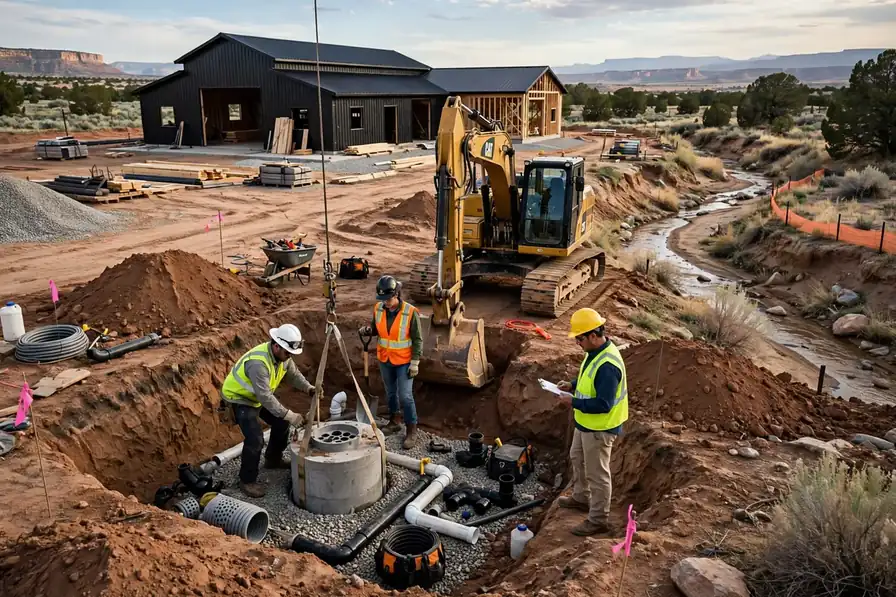
How far must septic be from a well?
NMED’s setback table lists a 50 foot minimum between a disposal system and a private well on the property, and reductions below 100 feet require tertiary treatment and disinfection. Plan for about 100 feet unless your designer confirms a different path. Because the well, septic field, house, driveway and slope all compete for the same space, lay them out together.
Can a homeowner install their own septic?
New Mexico lets qualified homeowners apply for a permit for certain conventional systems serving their own residence. More complex systems and many sites still require licensed professionals, so check with NMED first.
A large parcel does not guarantee an easy septic design. Do the feasibility work before you finalize the house location.
Monsoon Flooding and Wildfire
Why desert land can still flood
The North American Monsoon brings a seasonal surge of moisture and thunderstorms, and storms can send water quickly through normally dry washes, arroyos and low ground. A parcel does not need a river to have dangerous runoff. Before buying, look for mapped flood hazards, arroyos, drainage channels and low-water crossings, and do not put the pad where the land merely looks flat. That flat spot may be the natural drainage route. Plan grading so water moves away from the house, shop, driveway and septic field without creating problems for neighbors.
Wildfire
Wildfire is a year-round reality in many parts of the state. New Mexico guidance stresses defensible space, vegetation management, evacuation planning and fire-resistant materials. Start by clearing dry vegetation in the first five feet around the home and extend outward based on the property. Include the New Mexico barndominium, garage, shop and barn in the plan. A fire-resistant roof such as Class A roofing is a safety and often an insurance decision, not just a style choice.
New Mexico Cost by Region
| Area | Planning Considerations |
|---|---|
| Albuquerque / Rio Rancho / Los Lunas | Large construction market and easier utilities at the urban edge. Rural fringe needs more infrastructure. Watch monsoon drainage and summer heat. |
| Santa Fe | Higher elevation, colder winters, strong local design and zoning rules, and well/septic questions outside the city. |
| Taos | Snow, mountain access, heating, wildfire and rural infrastructure. |
| Las Cruces / Deming | Hot and dry. Solar exposure, cooling and water planning matter most, and rural parcels need well, septic and power checks. |
| Ruidoso / Silver City | Mountain terrain, forest fuels, slope, snow, winter access and defensible space. |
| Roswell / Clovis | Lower elevation and larger acreage, but water availability, wells, septic and utilities still vary parcel by parcel. |
| Farmington | High-desert Four Corners area with elevation swings and variable rural infrastructure. |
These areas are not interchangeable for a New Mexico barndominium. The county, municipality, subdivision and parcel decide which rules apply.
New Mexico Barndominium Design Ideas and Ways to Lower Cost
- Keep the footprint simple. A rectangle has fewer structural and roof transitions.
- Plan the shop from day one. Decide if it is conditioned, heated only or unconditioned, since use affects ventilation, fire separation and electrical service.
- Use the climate. Orientation, shading and window choices cut solar gain.
- Limit conditioned space. An unconditioned equipment bay is cheaper to run, if properly separated.
- Investigate water before closing. Fixing a water problem later costs far more.
New Mexico vs Arizona and Texas
Arizona shares New Mexico’s sun, dry air and monsoon storms, so it is a useful comparison for southern NM. For northern and mountain NM, elevation and winter matter much more, and NM’s water-right system makes rural due diligence especially important.
Texas has a larger barndominium market, but its assumptions about large acreage and simple site work do not transfer. A New Mexico barndominium needs more attention to water rights, elevation, drainage, wildfire and remote infrastructure. That does not make one state universally pricier, only different in cost drivers. You can compare more states in our Barndominium Cost Per Sqft by State guide.
Rural Land Checklist for a New Mexico Barndominium
- Water right: search the OSE lookup and verify the legal water situation.
- Well: confirm whether an existing well works or a new one is allowed, and under what permit.
- Septic: confirm feasibility before choosing the house site.
- Jurisdiction: find who issues the permit and which code editions apply.
- Access: verify legal road access and emergency vehicle reach.
- Drainage: look for arroyos, washes and natural runoff routes.
- Wildfire: evaluate vegetation, slope and fuels.
- Utilities: get written extension information from the provider.
- Easements: review title for access, utility, irrigation and acequia easements.
- Neighbors: understand nearby agricultural, livestock or industrial zoning.
Official New Mexico Resources
OSE — Water Rights Database Lookup (NMWRRS)Search water-right records by owner, file number and location 19.27.5 NMAC — Domestic Well RulesPermit limits, meters, management areas and well setbacks 20.7.3 NMAC — Liquid Waste DisposalSeptic standards and setback requirements administered by NMED 14.7.3 NMAC — 2021 NM Residential Building CodeThe state residential code administered by CID ICC — New Mexico Code AdoptionsOverview of the building, energy and fire codes in forceFinancing, Property Tax and Choosing a Builder
Lenders may want plans, specifications, a construction budget, contractor details and an expected completed value. A rural New Mexico barndominium adds layers when a well, septic system, acreage and multiple structures are involved. Ask how the lender treats barndominiums, metal-frame homes, owner-builds, large shops, private wells, septic systems and construction-to-permanent loans, and do it before ordering a building package.
For property tax, do not apply a percentage to your build cost. New Mexico taxes depend on assessed value and local rates, so ask the county assessor how a new build will be valued.
Questions for every builder
Is the price a shell or a finished home? Does it include the foundation, structural engineering, insulation, windows, electrical, plumbing, HVAC, permits and inspections? Is the shop conditioned? Are septic, well, grading and driveway included? What happens if excavation hits rock or extra engineering is needed? Which interior finishes and what warranty are included? Scope first, price second, otherwise a low shell quote gets compared with a full-home proposal. Our Barndominium in 2026: Plans, Cost & Finishing guide is a useful companion.
New Mexico Barndominium Cost FAQ
How much does a barndominium cost per sq ft in New Mexico?
A 2026 planning estimate puts turnkey construction around $135–$205 per sq ft and an erected shell around $40–$70 per sq ft. These are planning figures, not guaranteed bids.
How much is a 2,000 sq ft barndominium in New Mexico?
Roughly $270,000–$410,000 for the building, before land and site-development costs.
Can I build on rural land in New Mexico?
Potentially, if the parcel meets zoning, building, water, wastewater and access requirements. Rural status alone does not guarantee approval.
Do New Mexico barndominiums need permits?
Residential construction generally falls under the CID permitting framework or a local equivalent, depending on the jurisdiction.
Do I need a water right for a rural home?
New Mexico law generally requires authorization for water use through the OSE, with specific exceptions. A single-household domestic well is typically limited to about 1 acre-foot per year, or less in a management area. Verify your parcel.
Do rural properties need septic systems?
Without a public sewer connection you will likely need an approved onsite wastewater system permitted through NMED or a delegated county.
Are barndominiums suitable for NM’s heat?
Yes, if the envelope and HVAC are designed for it. Insulation, air sealing, windows, shading and orientation should be settled early.
Does New Mexico get snow, and does wildfire matter?
Snow depends heavily on elevation, with mountain and northern areas getting more. Wildfire matters most in forested and wildland-urban interface areas, where defensible space, roofing and access are key.
Final Takeaway: New Mexico Barndominium Cost
The headline price is only the start. On rural NM land, water rights, well conditions, septic feasibility, road access, power, grading, wildfire and drainage can decide whether a parcel is straightforward to develop or needs a much more complicated plan. Design your New Mexico barndominium for the exact location, not an imaginary “average New Mexico.” Investigate the parcel first, the building second and the finishes third, because a well-priced metal shell cannot fix a poorly chosen site.
Start your numbers with the Barndominium Cost Calculator.